
Flow Stack - A Smart Prioritisation Calendar
September 2024 - May 2025
Final Year Undergraduate Project
Overview
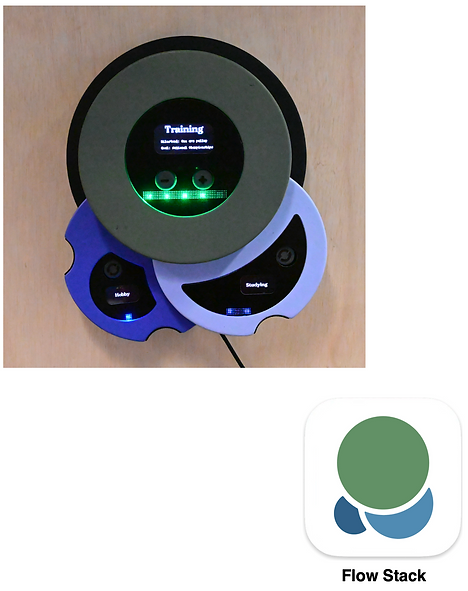
Flow Stack is a wall-mounted device designed to support people managing multiple priorities, such as student-athletes or busy professionals, by guiding them through daily tasks with minimal stress. By inputting priorities and deadlines into its companion app, Flow Stack uses intelligent scheduling to suggest how much time should be spent on each task per day. As progress is made, and time is logged on the top priority, tasks naturally reshuffle to reflect updated needs.
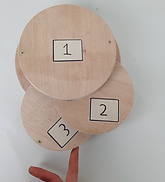
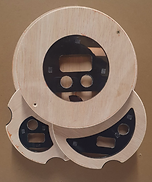
Its visual and interactive design invites users to reveal only the number of priorities they feel ready to face, helping to reduce overwhelm during stressful moments. When stress is high, Flow Stack promotes a focused, single-step approach instead of confronting everything at once. Each day begins with a calming LED pulse and winds down at a set bedtime, encouraging rest while reinforcing a healthy, balanced routine that respects both productivity and recovery.

Starting Point
The project began from my personal experience of burnout as a student-athlete. My aim was to design a product which would improve the chances of users balancing multiple priorities.
Research
Initial research looking at people with multiple priorities led to my conclusion that a strong support network is the most important factor to success.
After interviewing a basic support team consisting of a family member, teammate, tutor, and coach, I was able to reveal certain traits which are somewhat underrepresented by this current system.
By identifying key insights from this research, I created a visual representation of what an ideal design should contribute to, in the life of a student-athlete.
This visual became a reference point throughout the project, guiding the analysis of future prototypes and concepts to ensure they remained aligned with the core needs of the user.
Prototyping

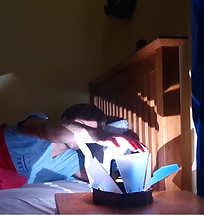
The first prototypes were related to sleep quality.
The learning point from these designs was that sleep should always be a top priority to avoid burnout, and any design I create must allow for time to rest.
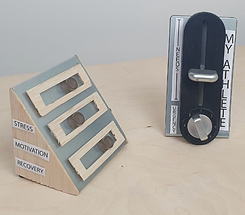

The second were linked to improving communication within the support network.
Although the most effective design would be one to fill missing links in the support network links rather than attempt to fix a ‘broken’ one.
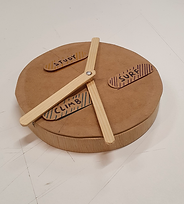
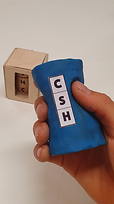


The next prototypes aimed to help users prioritise more effectively.
The general priority concept has a strong connection to a number of the ideal design features outlined in the research conclusion from the initial interviews.

Redefining the Aesthetic
Through further brainstorming and testing the current prototypes, I concluded that visually presenting the priorities all at once can lead to overload, stress, and a higher chance of burnout.
A more minimal design visual, which presents the priorities in a more 'one-by-one' approach would work better at mitigating stress.
Aesthetic Exploration

Final Concept Storyboard



Resolving the form

Considering wire channels

Electronic components and fittings


Manufacturing Process


Final Design

Final App
